
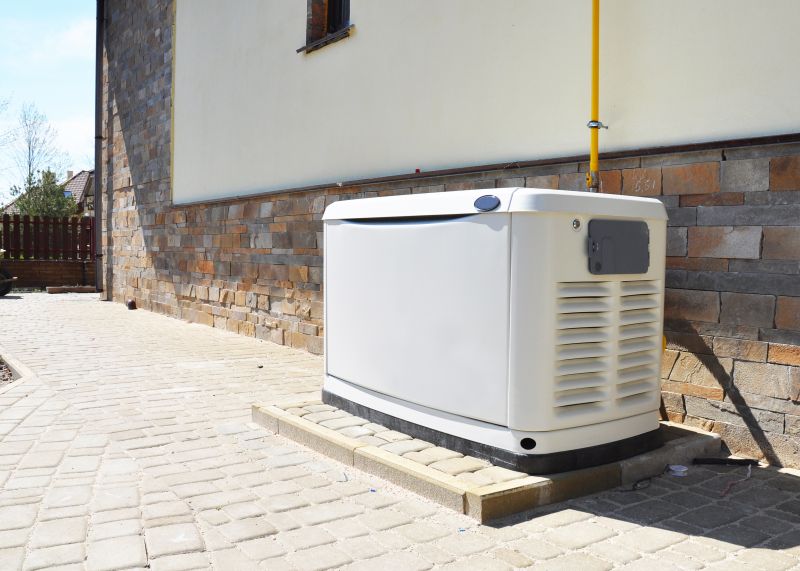
Generator Leak Repair in Utah County, UT
Generator leak repair services address issues related to leaks or drips originating from home standby or portable generators. These services typically cover repairs for fuel, oil, or coolant leaks, as well as fixing damaged seals, hoses, or connections that may cause fluid escape. Property owners often request this type of repair when noticing unexplained fluid accumulation around their generator, foul odors, or decreased performance, aiming to prevent potential damage to the generator or surrounding property.
Before requesting generator leak repair, homeowners should understand the type of fluid leaking and the location of the leak. It’s helpful to identify whether the leak occurs during operation or when the generator is idle, as this can influence the repair approach. Additionally, knowing the make and model of the generator can assist in determining the appropriate repair methods. Proper diagnosis and timely repairs can help ensure the generator operates safely and efficiently, reducing the risk of further damage or costly breakdowns.
Many property owners in Utah County, UT look into Generator Leak Repair for repairs, replacements, upgrades, and appearance-related improvements.
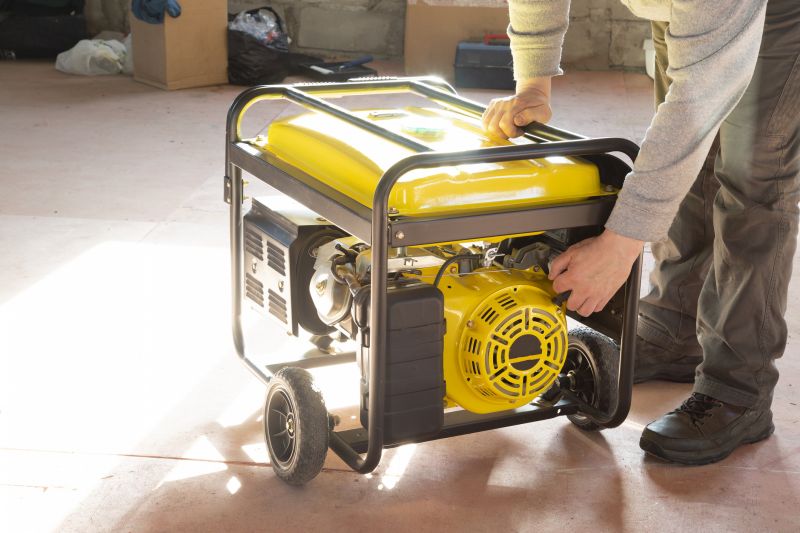
Generator Leak Detection
Identifying the source of leaks in generator systems to prevent damage and ensure proper operation.
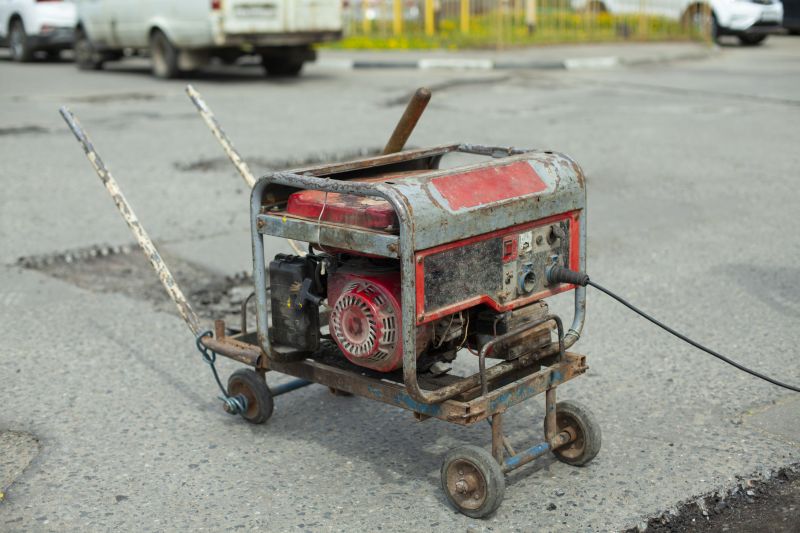
Leak Repair Solutions
Providing effective repairs to stop generator leaks and restore system integrity.
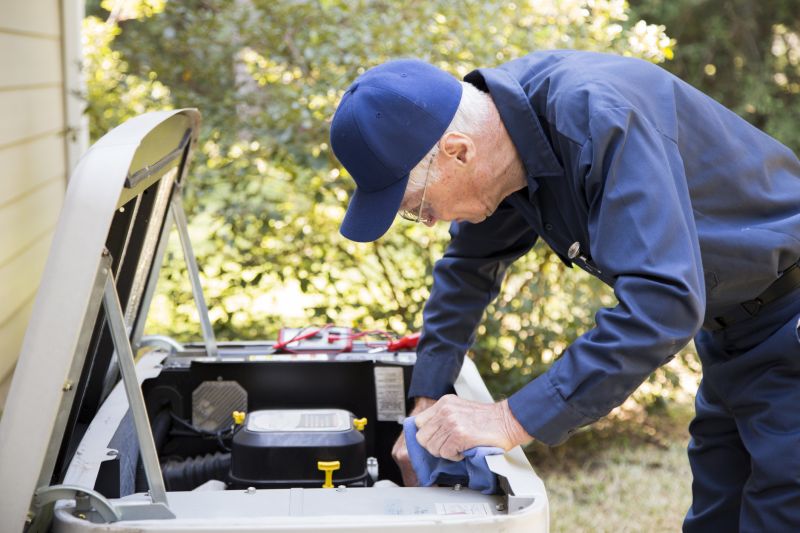
Preventative Maintenance
Offering inspections and upkeep to minimize the risk of future generator leaks in utah county, ut.
Generator Leak Repair in Utah County, UT
Generator leak repair services address issues related to leaks or drips originating from home standby or portable generators. These services typically cover repairs for fuel, oil, or coolant leaks, as well as fixing damaged seals, hoses, or connections that may cause fluid escape. Property owners often request this type of repair when noticing unexplained fluid accumulation around their generator, foul odors, or decreased performance, aiming to prevent potential damage to the generator or surrounding property.
Before requesting generator leak repair, homeowners should understand the type of fluid leaking and the location of the leak. It’s helpful to identify whether the leak occurs during operation or when the generator is idle, as this can influence the repair approach. Additionally, knowing the make and model of the generator can assist in determining the appropriate repair methods. Proper diagnosis and timely repairs can help ensure the generator operates safely and efficiently, reducing the risk of further damage or costly breakdowns.
Many property owners in Utah County, UT look into Generator Leak Repair for repairs, replacements, upgrades, and appearance-related improvements.
Common Generator Leak Repair Jobs
Generator leak repair services address fuel and oil leaks that can cause safety hazards and environmental concerns.
Leak repairs help prevent engine damage caused by fluid loss and contamination.
Proper sealing and component replacements restore generator efficiency and reliability.
Identifying leak sources early can reduce costly repairs and downtime.
Leak repair work often involves inspecting fuel lines, gaskets, and seals for damage.
Timely repairs ensure safe operation and compliance with safety standards.
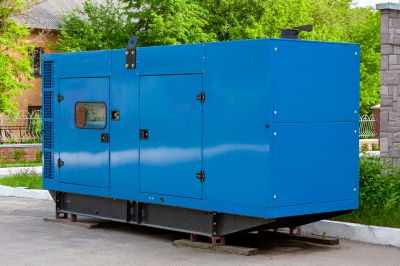
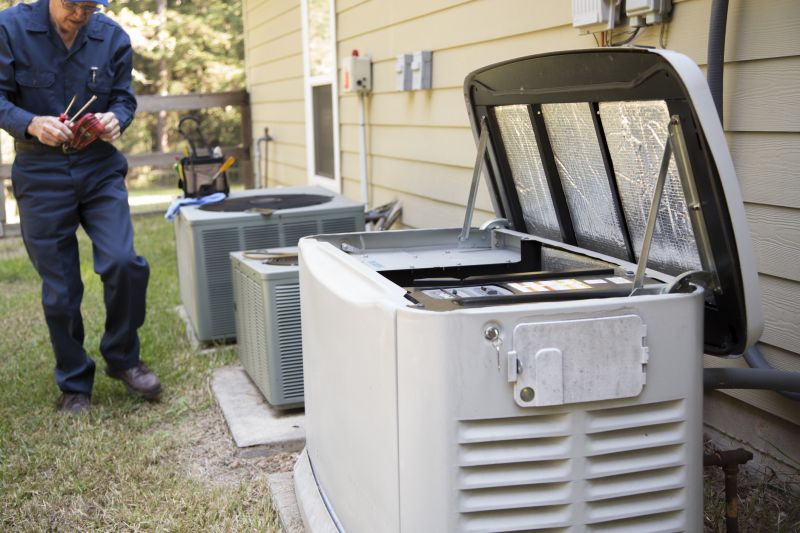
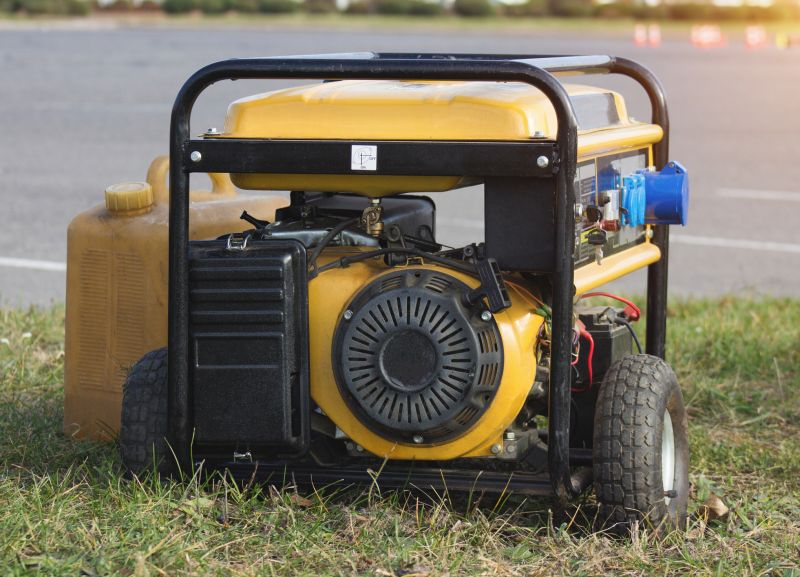
Generator Leak Repair Questions
What causes generator leaks? Leaks can result from worn seals, cracked hoses, or corrosion over time, allowing fluids to escape.
How can I tell if my generator has a leak? Signs include puddles underneath the generator, low fluid levels, or visible drips and stains around the unit.
What types of fluids are involved in generator leaks? Common fluids include oil, coolant, and fuel, which may leak due to damaged lines or seals.
Why is prompt repair of generator leaks important? Addressing leaks quickly helps prevent further damage, maintains proper operation, and reduces safety risks.
Request Generator Leak Repair in Utah County, UT
Use the quote form on this page to share the basics of your project and request more information for the type of work you need.